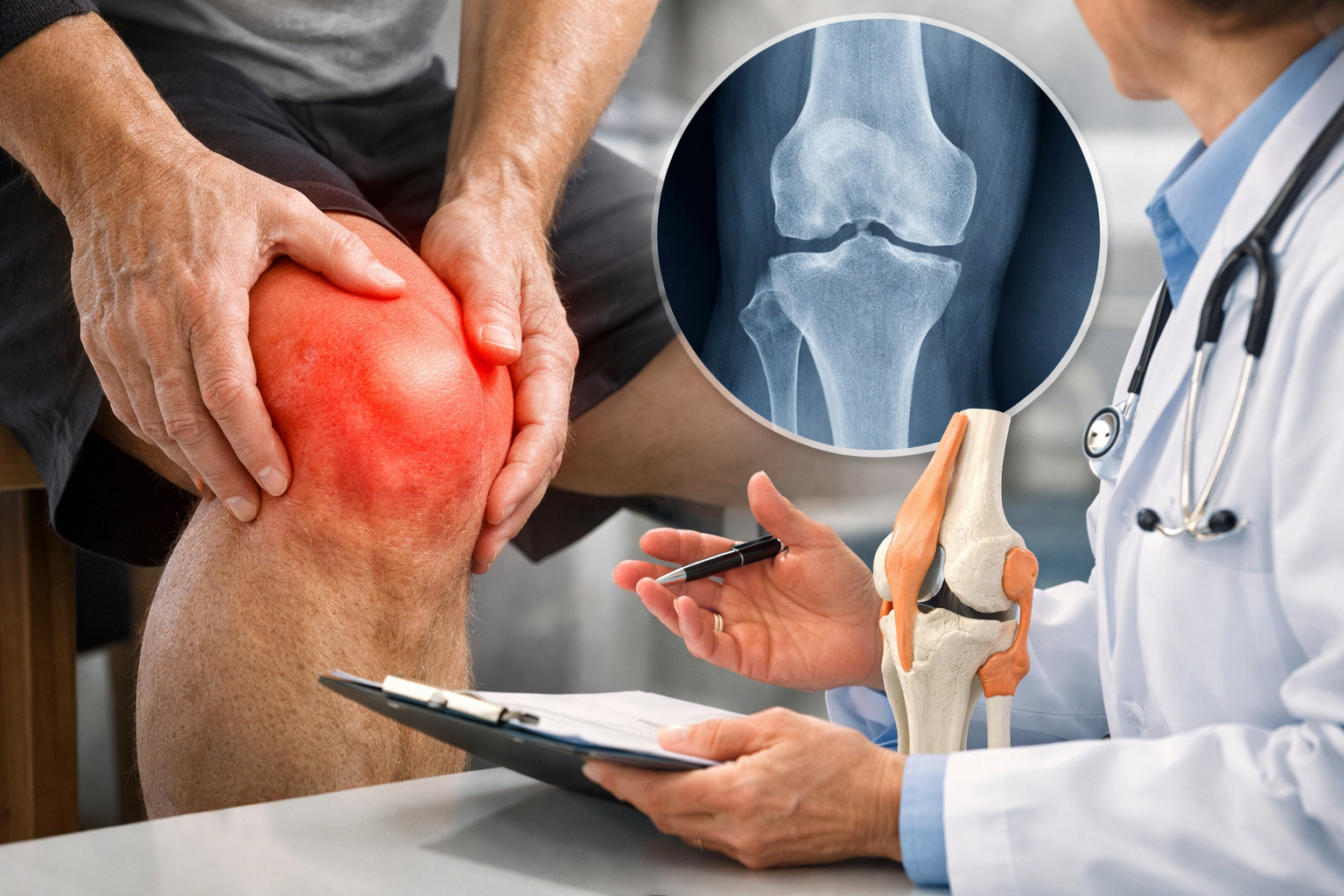
Kneecap realignment surgery, also known as patellar realignment or patellofemoral realignment surgery, is a procedure designed to correct problems related to the position and movement of the kneecap (patella). When the kneecap does not move correctly within its groove at the end of the thigh bone (femur), it can cause pain, instability, and even dislocation. This condition, often called patellar maltracking or patellar instability, can make everyday activities like walking, climbing stairs, or playing sports difficult and painful.
In this blog post, we’ll explore what knee cap realignment surgery involves, when it’s necessary, the different surgical techniques used, and what to expect during recovery.
What is Kneecap Realignment Surgery?
The patella, or kneecap, sits in a groove on the front of the femur and moves up and down as the knee bends and straightens. In a healthy knee, the patella remains centered within this groove. However, in some cases, the kneecap can shift out of alignment, causing pain and instability. This can be due to a variety of factors, including muscle imbalances, ligament laxity, bone structure issues, or previous injuries.
Kneecap realignment surgery is performed to reposition the patella and restore proper alignment, reducing pain and preventing further damage to the knee joint.
When is Kneecap Realignment Surgery Necessary?
Surgery is typically recommended when non-surgical treatments have failed to relieve symptoms or if there is a history of repeated patellar dislocations or significant knee instability. Common reasons for kneecap realignment surgery include:
- Recurrent Patellar Dislocation: When the kneecap dislocates (comes out of its groove) frequently, causing pain and damage to the cartilage.
- Chronic Patellar Maltracking: When the kneecap consistently moves out of its natural alignment, leading to pain and joint damage over time.
- Patellofemoral Pain Syndrome (PFPS): Persistent knee pain caused by improper patellar alignment and movement within the knee joint.
- Failed Non-Surgical Treatments: When physical therapy, bracing, and other conservative treatments don’t provide adequate relief.
Types of Kneecap Realignment Surgery
There are several surgical techniques used to realign the patella. The choice of procedure depends on the underlying cause of the misalignment, the patient’s anatomy, and the severity of the condition. The two main categories of kneecap realignment surgery are soft tissue realignment and bony realignment.
Click here to learn more about knee surgery
1. Soft Tissue Realignment
Soft tissue procedures focus on correcting the imbalance of the muscles, ligaments, and tendons around the knee that pull the patella out of alignment.
Lateral Release
- What it is: In a lateral release procedure, the surgeon cuts the tight lateral retinaculum, a band of tissue on the outer side of the knee that may be pulling the kneecap out of alignment.
- When it’s used: This procedure is often used when the patella is being pulled too far laterally (toward the outside of the knee).
- Advantages: It’s minimally invasive and can often be performed arthroscopically with small incisions.
- Disadvantages: It may not be effective for all types of patellar instability and is often combined with other procedures.
Medial Patellofemoral Ligament (MPFL) Reconstruction
- What it is: The MPFL is a ligament that helps keep the kneecap in place. If this ligament is torn or weakened (often due to repeated dislocations), it can be reconstructed using a graft from the patient’s own tissue (autograft) or donor tissue (allograft).
- When it’s used: This procedure is often recommended for patients with recurrent dislocations caused by ligament laxity.
- Advantages: MPFL reconstruction restores stability to the knee and helps prevent future dislocations.
- Disadvantages: Requires a longer recovery time than some other procedures and may be combined with other techniques to fully correct alignment.
2. Bony Realignment
In some cases, the underlying issue is related to the bone structure of the knee. Bony realignment procedures involve repositioning the tibial tubercle (a bony prominence on the shinbone where the patellar tendon attaches) to improve the alignment of the kneecap.
Tibial Tubercle Transfer (TTT)
- What it is: Tibial tubercle transfer is a procedure in which the surgeon repositions the tibial tubercle to change the alignment of the patella. The surgeon cuts the tibial tubercle and moves it slightly inward or outward, depending on the nature of the misalignment, and then reattaches it with screws.
- When it’s used: This procedure is commonly used for patients with significant patellar maltracking or for those with a high-riding patella (patella alta).
- Advantages: Provides a long-term solution to correct bony alignment and prevent recurrent dislocation.
- Disadvantages: It’s a more invasive procedure with a longer recovery time compared to soft tissue realignment.
What to Expect Before Surgery
Before undergoing knee cap realignment surgery, your doctor will conduct a thorough evaluation, including a physical examination, imaging tests (such as X-rays or MRI), and a discussion of your symptoms and medical history. You’ll also be advised on how to prepare for surgery, which may include:
- Stopping certain medications that could increase the risk of bleeding, such as blood thinners.
- Arranging for assistance at home during the early recovery period.
- Fasting for a specified period before surgery, depending on the type of anesthesia being used.
What Happens During Kneecap Realignment Surgery
Kneecap realignment surgery is usually performed under general or regional anesthesia, depending on the complexity of the procedure. The surgery typically lasts 1 to 2 hours.
- Arthroscopic Surgery: Many knee realignment procedures can be done arthroscopically, using small incisions and a camera (arthroscope) to guide the surgeon. This approach is less invasive and has a shorter recovery time.
- Open Surgery: In cases where bony realignment is required, or if the procedure is more complex, open surgery may be necessary. This involves a larger incision to access and reposition the bones.
After surgery, the incisions are closed, and the knee is wrapped in a bandage. Most patients are able to go home the same day, but some may need to stay in the hospital overnight for observation.
Recovery After Knee Cap Realignment Surgery
Recovery from knee cap realignment surgery depends on the type of procedure performed and the patient’s overall health. Here’s what to expect during the recovery process:
1. Initial Post-Surgery Period
- Rest and Elevation: Patients are encouraged to keep the knee elevated and apply ice to reduce swelling in the first few days after surgery.
- Weight-Bearing: Depending on the type of surgery, you may need to use crutches for several weeks to avoid putting weight on the knee. A brace may also be used to stabilize the knee.
- Pain Management: Pain and swelling can be managed with prescribed medications and ice therapy.
2. Physical Therapy
Physical therapy is a crucial part of the recovery process, helping to restore strength, flexibility, and mobility in the knee. Your physical therapist will guide you through exercises designed to improve range of motion and strengthen the muscles around the knee, particularly the quadriceps and hamstrings.
- Early Recovery: In the first few weeks, physical therapy will focus on gentle exercises to increase mobility and prevent stiffness.
- Strengthening Phase: As healing progresses, you’ll begin exercises to rebuild strength in the muscles that support the knee, especially those that help keep the patella in proper alignment.
3. Return to Activities
- Daily Activities: Most patients can begin to resume light daily activities, such as walking or going to work, within 4 to 6 weeks, depending on the type of surgery.
- Sports and Exercise: Returning to sports or high-impact activities may take several months. Most patients can expect to return to full activity between 3 to 6 months after surgery, though this varies based on the individual and the procedure performed.
Risks and Complications
While kneecap realignment surgery is generally safe, there are potential risks and complications, including:
- Infection at the surgical site.
- Blood clots.
- Stiffness or difficulty regaining full range of motion.
- Pain or discomfort in the knee during recovery.
- Recurrent instability or maltracking, which may require further surgery.
It’s important to follow your doctor’s post-operative instructions closely to minimize the risk of complications and ensure a successful recovery.
Conclusion
Kneecap realignment surgery can provide significant relief from pain and instability caused by patellar maltracking or recurrent dislocations. Whether through soft tissue realignment or bony realignment, the goal of the surgery is to restore proper alignment of the kneecap, improve knee function, and prevent future dislocations.
If you are experiencing chronic knee pain, instability, or frequent dislocations, consult with an orthopedic specialist to determine if kneecap realignment surgery is the right option for you.
Click here to learn more about knee surgery
FAQs
Recovery time varies depending on the procedure, but most patients can return to normal activities within 3 to 6 months, with full recovery taking up to a year for more complex surgeries.
Some discomfort is expected after surgery, but pain can be managed with medications and physical therapy. Most patients experience significant relief from chronic pain once fully recovered.
Yes, the goal of the surgery is to correct the alignment of the kneecap and stabilize the joint, reducing the risk of future dislocations.
During recovery, high-impact activities like running, jumping, and heavy lifting should be avoided until your doctor clears you for these activities.

Dr. Benoit is an assistant professor of surgery at the Université de Montréal and practices at the CIUSSS Nord-de-l’île de Montréal. He completed his medical degree at Université Laval in Quebec City in 2001 and did his orthopedic residency at the Université de Montreal, where he was on the Dean’s honour list. Following his residency, he completed two additional years of fellowship training; the first year in Geneva, Switzerland and the second year in Ottawa, Canada.