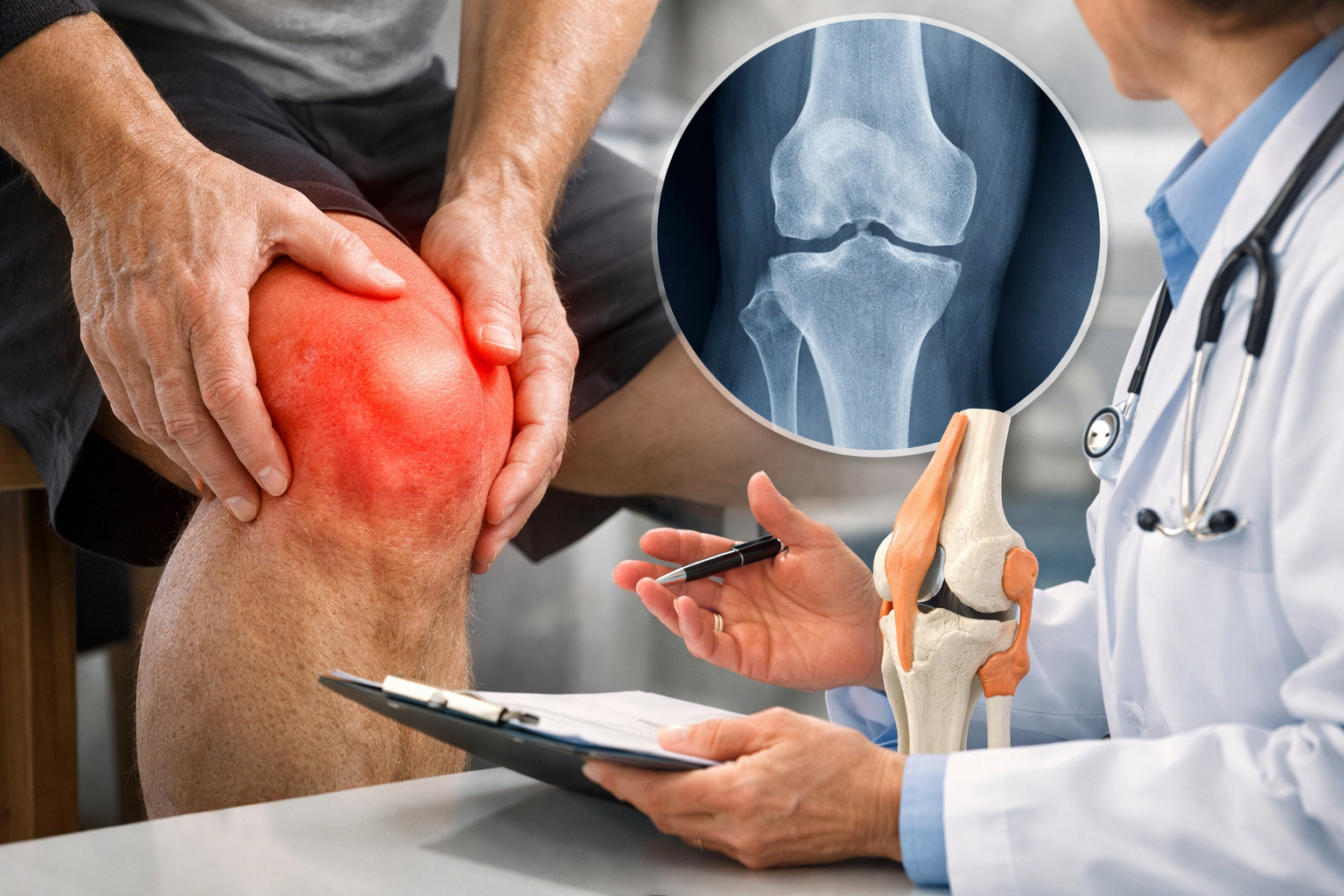
Injuries to the knee can be both painful and debilitating, impacting your daily life and physical activities. Whether you are an active individual or a recreational athlete, knowing how to strengthen knee after injury is crucial for a successful recovery. This article provides you with a comprehensive guide on rehabilitation exercises, tips for recovery, and essential information to help you regain strength and mobility in your knee.
After a knee injury, it is important to focus on rehabilitation to restore function and prevent future injuries. This process typically involves a combination of rest, physical therapy, and gradual strengthening exercises. Strengthening the knee not only aids in recovery but also enhances your overall athletic performance.
Click here to learn more about Knee surgery
Understanding Knee Injuries
The knee is a complex joint made up of bones, cartilage, ligaments, and tendons, which work together to provide stability and mobility. Common knee injuries include ligament tears (such as ACL or MCL injuries), meniscus tears, and patellar tendinitis. Understanding the specific nature of your injury is vital in determining the best approach to rehabilitation.
Initial Recovery Phase
During the initial recovery phase, it is essential to follow the R.I.C.E. method:
- Rest: Allow your knee to rest and avoid activities that exacerbate pain.
- Icing: Apply ice packs to reduce swelling and inflammation.
- Compression: Use a compression bandage to minimize swelling.
- Elevation: Keep your knee elevated to help reduce swelling.
During this phase, it is also advisable to consult with a healthcare professional or physical therapist who can guide you through the recovery process.
Rehabilitation Exercises
Once the initial pain and swelling have subsided, you can begin to incorporate rehabilitation exercises into your routine. Here are some effective exercises to help you strengthen your knee:
1. Quadriceps Sets
To perform quadriceps sets, sit with your leg extended in front of you. Tighten the muscle on the top of your thigh (quadriceps) and hold for 5 seconds, then relax. Repeat this exercise 10–15 times.
2. Straight Leg Raises
Lie on your back with one leg bent and the other straight. Slowly lift the straight leg to the height of the bent knee while keeping it straight. Hold for a moment, then lower it back down. Perform 10–15 repetitions.
3. Hamstring Curls
Stand and hold onto a chair for balance. Slowly bend your knee and bring your heel towards your buttock. Hold for a few seconds before lowering it back down. Perform 10–15 repetitions.
4. Wall Sits
Stand with your back against a wall and slide down into a sitting position, keeping your knees over your ankles. Hold this position for 10–30 seconds, depending on your comfort level. Repeat 5–10 times.
5. Step-Ups
Using a step or a sturdy platform, step up with one foot and then bring the other foot up. Step back down and repeat. Aim for 10–15 repetitions on each leg.
Incorporating Flexibility and Balance Training
In addition to strengthening exercises, incorporating flexibility and balance training is essential for a comprehensive rehabilitation program. Stretching exercises can help improve range of motion, while balance exercises can enhance stability and prevent future injuries.
Stretching Exercises
Include stretches for the quadriceps, hamstrings, and calf muscles. Hold each stretch for 15–30 seconds and repeat 2–3 times.
Balance Exercises
Simple balance exercises, such as standing on one leg or using a balance board, can be beneficial in improving proprioception and stability.
Gradual Return to Activity
As your knee strengthens, gradually return to your regular activities. Start with low-impact exercises, such as walking, cycling, or swimming, before progressing to higher-impact activities. Always listen to your body and avoid pushing through pain.
When to Seek Professional Help
If you experience persistent pain, swelling, or instability in your knee, it is crucial to seek professional medical advice. A healthcare provider can assess your condition and recommend further treatment options, which may include physical therapy or surgical interventions.
Conclusion
Strengthening your knee after an injury is a vital step towards recovery and maintaining an active lifestyle. By following a structured rehabilitation program that includes strengthening exercises, flexibility training, and balance exercises, you can effectively regain strength and mobility in your knee. Always consult with a healthcare professional before starting any rehabilitation program, especially if you have a history of knee injuries.
FAQ
The recovery time varies depending on the severity of the injury and adherence to rehabilitation exercises. Generally, it can take several weeks to months.
Yes, many knee injuries can be treated effectively with rehabilitation exercises and physical therapy without the need for surgery.
Quadriceps sets, straight leg raises, hamstring curls, wall sits, and step-ups are among the best exercises for knee rehabilitation.
While mild discomfort may occur, you should not feel sharp pain. If you do, stop the exercise and consult a healthcare professional.
To prevent future injuries, engage in regular strength and flexibility training, maintain a healthy weight, and use proper techniques during physical activities.
Medical Disclaimer
The information provided in this article is for informational purposes only and should not be considered a substitute for professional medical advice, diagnosis, or treatment. Always seek the advice of your physician or another qualified health provider with any questions you may have regarding a medical condition or treatment. Never disregard professional medical advice or delay in seeking it because of something you have read in this article.
If pain persists, please consult a healthcare professional for a thorough evaluation and personalized treatment plan.

Dr. Benoit is an assistant professor of surgery at the Université de Montréal and practices at the CIUSSS Nord-de-l’île de Montréal. He completed his medical degree at Université Laval in Quebec City in 2001 and did his orthopedic residency at the Université de Montreal, where he was on the Dean’s honour list. Following his residency, he completed two additional years of fellowship training; the first year in Geneva, Switzerland and the second year in Ottawa, Canada.